Scanning an Asset
Learn how scanning assets works in Shelf, including the differences between linked and unlinked codes and methods for interacting with QR codes.
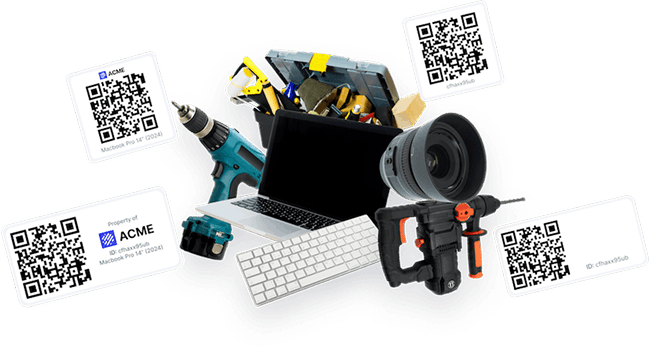
This guide explains the different types of asset tags available in Shelf and the various methods for interacting with QR codes and asset labels.
The Differences Between Linked and Unlinked Codes
You may wonder about the options for interacting with Shelf asset QR codes. This post covers all ways you can engage with your asset labels. Shelf offers two types of asset tags:

Linked to Assets
These tags are created either by establishing a new asset in your personal or team workspace, or through CSV import. They connect directly to an asset in your database.
Unlinked to Assets
These "orphaned" tags are not connected to any asset. They're typically used when users want to pre-purchase asset labels for inventory purposes on an individual asset basis.
Scanning and Interacting with Tags
You can interact with your tags in the following ways:
-
Phone Camera Scanning: Scan a QR code via your phone camera to display a URL linking to the correct asset in your database. Note: If you scan while not authenticated, you'll see a "contact owner" form requesting location permissions; messages go to the account owner's inbox.
-
In-app Scanner: Use Shelf's built-in scanner to quickly scan codes without re-authentication, taking you directly to the asset with quick action options available.
Haptic Feedback on Mobile
When scanning from a mobile device using the in-app scanner, Shelf provides haptic feedback (vibration) to confirm the result:
- Successful scan: Two short vibration pulses indicate the QR code or barcode was recognized and the app is navigating to the asset.
- Scan error: Three short pulses indicate an error — for example, an unsupported barcode type or a code from a different organization.
This works on Android Chrome and other browsers that support the Vibration API. iOS Safari does not support vibration feedback, so scans complete silently on iPhone.
Ready to try Shelf?
Put what you're learning into practice. Free plan available — no credit card required.